
Every year, as spring arrives and plum blossoms blanket the mountains and forests of Huong Son, millions of Buddhists, pilgrims, and visitors from across the globe eagerly make their journey to the Perfume Pagoda Festival. This centuries-old spiritual pilgrimage, known in Vietnamese as lễ hội chùa hương bằng tiếng anh, offers a profound cultural and religious experience, deeply rooted in Vietnamese traditions. It is more than just a festival; it’s a sacred journey, a communion with nature, and a vibrant celebration of faith that draws people seeking peace, blessings, and an escape into a “fairy land of the Buddha.”
Có thể bạn quan tâm: Lịch Trình Chuẩn Bị Xuất Ngoại: Lịch Chiếu Phim Rạp Cgv Trường Chinh & Visa
Lễ Hội Chùa Hương: Sơ Lược Thông Tin Chính
The Perfume Pagoda Festival, or Huong Pagoda Festival, is one of Vietnam’s largest and longest-running Buddhist festivals, typically spanning from the 6th day of the first lunar month until the middle of the third lunar month. The heart of the festival lies within the scenic Huong Son commune, My Duc district, Hanoi (formerly Ha Tay province), a complex of Buddhist temples and shrines built into the limestone Huong Tich mountains. The journey to the pagoda itself is an integral part of the experience, involving a picturesque boat trip along the Yen Stream, navigating through a stunning landscape of karst formations, rice paddies, and lush greenery, leading to various caves and temples. This festival is renowned for its harmonious blend of natural beauty, spiritual devotion, and vibrant cultural activities, culminating in a deeply serene and reflective atmosphere for all who attend.
A Journey into Faith: Understanding the Perfume Pagoda Festival
The Perfume Pagoda Festival is not merely an event; it’s a profound spiritual pilgrimage deeply ingrained in Vietnamese culture and Buddhism. For centuries, this annual celebration has attracted millions, transcending generations and social strata, to the sacred land of Huong Son. Understanding its essence requires delving into its historical roots, religious significance, and the unique blend of natural beauty and spiritual devotion it embodies.
The Historical Tapestry of Huong Son
The origins of the Perfume Pagoda complex date back to the 15th century, during the reign of King Le Thanh Tong. Initial structures were simple, but over time, as its spiritual significance grew, more temples and shrines were added, forming the sprawling complex seen today. While the specific start date of the festival itself is debated, historical records indicate that it gained prominence during the Le-Trinh dynasty (17th-18th centuries) and blossomed into a major pilgrimage site during the Nguyen dynasty. The name “Perfume Pagoda” (Chùa Hương) is believed to derive from the fragrant flowers and medicinal herbs that once thrived in the surrounding mountains, or perhaps from the spiritual aroma of enlightenment felt by pilgrims. This rich history has cemented its place as a cornerstone of Vietnamese cultural heritage, a living testament to the enduring power of faith and tradition.
The Sacred Significance in Vietnamese Buddhism
At its core, the Perfume Pagoda Festival is a pilgrimage dedicated to Quan Am Bo Tat, the Goddess of Mercy. Many Buddhist pilgrims embark on this journey seeking blessings, peace, and spiritual purification. The belief is that visiting the pagodas and caves during the festival can cleanse sins, bring good fortune, and foster a deeper connection with the divine. Each cave and temple within the complex holds its own spiritual narrative and significance. For instance, Huong Tich Cave, the main pilgrimage site, is often referred to as “the first-rank cave under the Southern Sky” and is believed to be the sacred place where Quan Am Bodhisattva appeared.
The festival also reflects a unique synthesis of Buddhism, Taoism, and indigenous folk beliefs, showcasing the diverse spiritual landscape of Vietnam. It’s a collective act of devotion, where individual prayers merge with the communal energy of millions, creating a powerful spiritual current that pervades the entire Huong Son region. The act of making the pilgrimage itself, often arduous and requiring both physical and mental resilience, is seen as a form of spiritual merit, deepening one’s faith and commitment.
The Allure of Huong Son’s Natural Beauty
Beyond its religious significance, the Perfume Pagoda is renowned for its breathtaking natural landscapes. The Huong Son complex is nestled amidst a stunning karstic mountain range, characterized by towering limestone peaks, verdant forests, and serene valleys. The Yen Stream (Suối Yến), which pilgrims traverse by boat, is a central feature, offering panoramic views of this natural splendor. Along the stream, unique rock formations have been given imaginative names like “Dragon Head” or “Fairy’s Chessboard,” adding a mythical dimension to the journey.
During spring, the landscape is particularly vibrant. Plum blossoms (hoa mơ) and apricot flowers bloom, painting the mountainsides in white and pink hues, creating an idyllic and ethereal atmosphere. This harmonious blend of natural beauty and sacred sites enhances the spiritual experience, allowing pilgrims to find tranquility and introspection amidst nature’s grandeur. The journey itself, from the bustling riverbanks to the quiet depths of the caves, becomes a metaphor for the spiritual path – a transition from the mundane to the divine.
Preparing for the Pilgrimage: Dates, Logistics, and Etiquette
Embarking on the Perfume Pagoda Festival pilgrimage requires thoughtful preparation to ensure a fulfilling and respectful experience. From understanding the best time to visit to navigating the logistics of travel and respecting local customs, being well-informed is key to enjoying this unique Vietnamese tradition.
Key Dates and Duration of the Festival
Có thể bạn quan tâm: Lễ Hội Chùa Đậu Thường Tín: Khám Phá Di Sản Văn Hóa Tâm Linh
The Perfume Pagoda Festival is one of the longest-running festivals in Vietnam, typically lasting for several months during spring.
- Official Opening Day: The festival officially opens on the 6th day of the first lunar month. This usually falls in late January or early February of the Gregorian calendar.
- Peak Season: The peak of the festival runs from the full moon of the first lunar month (Rằm tháng Giêng) to the 18th day of the second lunar month. During this period, the number of visitors is at its highest, particularly on weekends and during major holidays like Tet (Lunar New Year) and the Lantern Festival.
- End Date: While officially ending around the third lunar month, the spiritual significance and pilgrimage continue throughout spring.
- Planning Your Visit: For a less crowded experience, consider visiting during weekdays or earlier in the season before the peak, or later towards the end of the festival. However, visiting during the peak offers a truly immersive experience of the bustling spiritual energy. Always check the lunar calendar for exact dates, as they vary each year.
Getting There: Transportation and Journey Details
The Perfume Pagoda complex is located approximately 60 kilometers southwest of Hanoi. The journey is an adventure in itself:
- From Hanoi to My Duc:
- By Bus: Public buses are available from various stations in Hanoi (e.g., My Dinh Bus Station, Giap Bat Bus Station) directly to the My Duc district. Look for buses heading towards Hương Sơn. The ride takes approximately 1.5 to 2 hours.
- By Private Car/Taxi: This is the most convenient option, offering flexibility. Many tour operators or private car services can arrange a trip. The drive takes about 1 to 1.5 hours.
- Motorbike: For adventurous travelers, renting a motorbike and driving to My Duc is an option, providing scenic views along the way.
- From My Duc to the Pagoda Complex (via Yen Stream):
- Once you arrive in My Duc, you’ll head to the Hương Tích wharf (Bến Đục or Bến Yến). Here, you’ll purchase tickets for the boat ride.
- Boat Trip: The iconic journey begins with a serene boat ride along the Yen Stream. These traditional rowboats, often operated by local women, take you through picturesque landscapes, passing rice paddies, karst cliffs, and various smaller temples. The boat trip typically lasts about 1 to 1.5 hours.
- Cable Car: After the boat ride, pilgrims can choose to hike up the mountain to the main Huong Tich Cave or take a cable car. The cable car offers stunning aerial views and saves considerable time and effort. Hiking is more traditional but physically demanding.
Essential Items and What to Wear
Proper preparation ensures comfort and respect during your pilgrimage:
- Clothing: Dress modestly and respectfully, as you will be visiting sacred sites. Shoulders and knees should be covered. Comfortable walking shoes are essential, especially if you plan to hike.
- Sun Protection: A hat, sunglasses, and sunscreen are highly recommended, as much of the journey is outdoors.
- Water and Snacks: While vendors are available, carrying your own water bottle is advisable, especially during peak season. Light snacks can also be helpful.
- Small Backpack: A small bag to carry essentials, leaving your hands free.
- Camera: To capture the breathtaking scenery, but remember to be mindful and respectful when taking photos inside temples.
- Cash: Many vendors and small businesses in the area prefer cash.
- Umbrella/Raincoat: Be prepared for sudden changes in weather, especially during spring.
Cultural Etiquette and Respectful Conduct
Observing local customs is crucial for a meaningful and respectful experience:
- Modesty: Always dress modestly when visiting temples and pagodas.
- Shoes: Remove your shoes before entering the main prayer areas of temples.
- Silence: Maintain a respectful silence or speak softly inside temples and sacred caves.
- Photography: Ask for permission before photographing monks or local people. Avoid flash photography in dimly lit areas or sacred spaces.
- Offerings: If you wish to make offerings, follow local practices. Typically, offerings of fruit, flowers, incense, and sometimes money are placed on altars.
- Interacting with Locals: Be polite and friendly. A simple “Xin chào” (hello) is always appreciated.
- Littering: Do not litter. Help keep the sacred site clean.
- Bargaining: If purchasing souvenirs or food from local vendors, light bargaining is generally acceptable, but do so politely.
- Health and Safety: Be aware of your surroundings, especially in crowded areas. Follow safety instructions, particularly on boats and cable cars.
By respecting these guidelines, visitors can fully immerse themselves in the spiritual and cultural richness of the Perfume Pagoda Festival, ensuring a memorable journey for themselves and those around them. For more information on visa applications and international travel, you can consult experts at Visa Nước Ngoài.
The Festival Experience: Lễ (Ceremony) and Hội (Celebration)
The Perfume Pagoda Festival unfolds in two main parts: the solemn Lễ (ceremony) and the vibrant Hội (celebration). While the formal ceremonies are steeped in ancient rituals and spiritual devotion, the celebration aspects offer a lively atmosphere, allowing pilgrims to engage with the community and the picturesque environment.
The Sacred Lễ (Ceremony)
The ceremonial aspect of the Perfume Pagoda Festival is surprisingly simple yet deeply profound, focusing on respect, tradition, and spiritual dedication. It serves as the foundation for the festive atmosphere that follows.
- Pre-Festival Preparations: A day before the official opening, the entire Huong Son commune is enveloped in a mystical aura. All temples, communal houses (đình), and shrines (miếu) throughout the region are meticulously cleaned and adorned. Incense is lit, its fragrant smoke curling upwards, signifying purification and inviting divine presence. This preparatory phase is a communal effort, where villagers come together to ensure that every sacred space is ready to welcome pilgrims and deities. This creates a palpable sense of anticipation and reverence that covers the entire area.
- Opening Ceremony (Khai Hội): The festival officially commences on the 6th day of the first lunar month. While specific grand rituals are observed by the monastic community within the pagodas, a significant public ceremony is the village festival day.
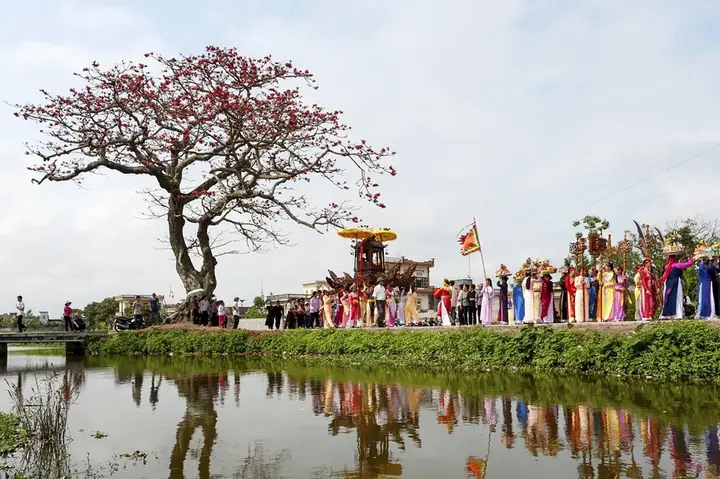
- Procession of Gods (Rước Thần): This colorful procession is a highlight, where statues of revered deities are carried from the temple to the communal house. It’s a vibrant spectacle, with flags fluttering in the breeze and the rhythmic beat of drums leading the way.
- Bát Âm Orchestra: Following the drummers, a traditional bát âm (eight-instrument) orchestra plays solemn, melodious music, adding to the grandeur of the procession. This ancient music sets a spiritual tone, evoking a sense of heritage and reverence.
- Youthful Bearers and Devout Elders: Young men and women, dressed in traditional attire, elegantly carry the palanquins bearing the deities, symbolizing purity and strength. Elderly villagers, with serene expressions, walk alongside, sending their heartfelt prayers and devotion to the gods. This procession is a beautiful representation of community, where different generations participate in upholding sacred traditions.
- Atmosphere of Joy and Tranquility: The air during these ceremonies is filled with a unique blend of spiritual solemnity and communal joy. It’s an atmosphere that uplifts the spirit, making everyone feel refreshed and connected to something larger than themselves. The shared purpose of honoring deities and seeking blessings creates a powerful collective experience.
The Vibrant Hội (Celebration)
Once the formal ceremonies are observed, the Perfume Pagoda transforms into a lively celebration, where spiritual devotion blends seamlessly with communal joy, exploration, and the appreciation of nature.
- Flow of Pilgrims: Throughout the festival days, the entire Huong Son complex becomes a vibrant tapestry of human activity. “People go out, people go in, people go up and down, floating into the light clouds,” as the original text beautifully describes. This imagery captures the ceaseless movement of pilgrims ascending and descending mountains, entering and exiting temples, creating a continuous flow of energy and devotion. The sheer number of people, often clad in colorful traditional attire or simple Buddhist robes, creates an unforgettable sight.
- Communal Greetings: Despite the crowds, a sense of camaraderie pervades the festival. Pilgrims, whether familiar or strangers, often greet each other with the gentle, loving, and warm salutation: “Nam Mô A Di Đà Phật” (Homage to Amitābha Buddha). This shared spiritual greeting fosters a sense of unity and peace among all participants, reinforcing the collective nature of the pilgrimage. It highlights the profound respect and shared faith that bind the attendees.
- The Iconic Boat Ride: A truly unique and cherished aspect of the Perfume Pagoda Festival is the pleasure of sitting on a boat and “getting lost in the fairy land of the Buddha.” Hundreds of boats, skillfully rowed by local women, ply the Yen Stream, creating a bustling yet serene spectacle. This journey itself is considered an essential part of the pilgrimage, allowing pilgrims to immerse themselves in the pristine natural beauty of the karstic landscape. The gentle rhythm of the oars, the reflections of the mountains on the water, and the hushed conversations of fellow travelers create a tranquil and almost mystical experience. It is a moment of reflection and anticipation before reaching the sacred caves and pagodas. The boating journey is not just transport; it is a transition, a ritual passage that prepares the soul for the spiritual encounters ahead. This enduring tradition continues to inspire profound feelings in those who attend the festival.
Beyond the Path: Unique Aspects and Practical Tips for Visitors
The Perfume Pagoda Festival offers a multifaceted experience that extends beyond the core ceremonies and boat trips. Its unique features, combined with practical advice, can enhance a visitor’s journey, making it truly memorable and enriching.
The Mystique of Huong Tich Cave
While many temples dot the Huong Son complex, the centerpiece and ultimate destination for most pilgrims is Huong Tich Cave. Often referred to as “the most beautiful cave in Vietnam” or “the first-rank cave under the Southern Sky,” it holds immense spiritual significance.
- Ascension to the Cave: After the boat ride, visitors can choose between a challenging hike up hundreds of stone steps or a relaxing cable car ride to reach the cave’s entrance. The hike, though arduous, is seen by many as a part of the spiritual penance and merit-making.
- Inside the Sacred Grotto: The cave itself is a natural wonder, with stalactites and stalagmites forming various shapes believed to represent different blessings – for example, the “rice stack,” “money stack,” or “baby mountain.” Pilgrims often touch these formations, believing they can bring prosperity, wealth, or fertility. At the heart of the cave is the main altar dedicated to Quan Am Bodhisattva, where fervent prayers and offerings are made. The cool, damp air and the echoing sounds within the vast chamber create a deeply mystical and contemplative atmosphere, transporting visitors to a realm seemingly untouched by the outside world.
Culinary Delights and Local Souvenirs
The festival is also an opportunity to experience local flavors and crafts.
- Local Cuisine: Along the paths leading to the temples and near the boat docks, numerous vendors offer traditional Vietnamese dishes. Expect to find regional specialties, vegetarian options (especially during Buddhist festivals), and refreshing drinks. Don’t miss the opportunity to try local sticky rice cakes (bánh chưng), various noodle soups, and fresh fruits.
- Souvenirs: Handicrafts, religious artifacts, and local produce are widely available. You can find small Buddha statues, incense, traditional clothing, and items made from bamboo or local wood. Many pilgrims also purchase small tokens as mementos of their spiritual journey or as gifts for loved ones. When buying, remember that light bargaining is often expected and part of the cultural experience.
Exploring Beyond the Main Pagoda
Có thể bạn quan tâm: Khám Phá Công Viên Hoàng Văn Thụ Hồ Chí Minh Chi Tiết Từ A-z
While Huong Tich Cave is the primary draw, the Huong Son complex is vast and houses several other beautiful and significant pagodas and temples that are worth exploring if time permits.
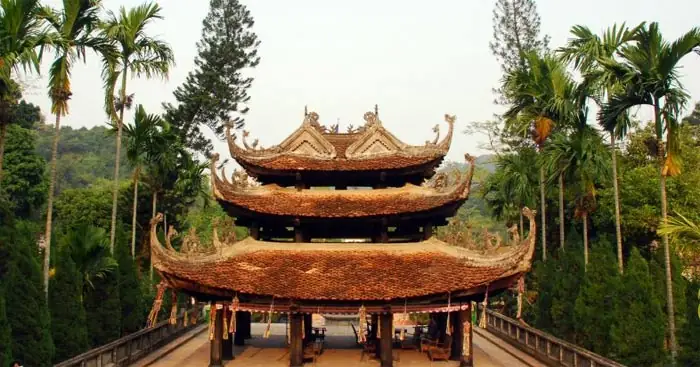
- Thien Tru Pagoda (Pagoda Leading to Heaven): This pagoda is typically the first significant stop after the boat ride and is often seen as the “outer temple” before ascending to Huong Tich. It features beautiful architecture and serene courtyards.
- Giai Oan Pagoda (Atonement Pagoda): Located near the Yen Stream, this pagoda is known for its pure spring water, believed to cleanse sins. Pilgrims often stop here to drink from the spring and make offerings.
- Long Van Pagoda (Dragon Cloud Pagoda): Another charming temple nestled in the mountains, offering stunning views and a tranquil ambiance.
Each of these sites contributes to the overall spiritual landscape of Huong Son, offering pilgrims different facets of devotion and natural beauty.
Embracing the Experience: A Few More Tips
- Go with an Open Mind: The Perfume Pagoda Festival is a cultural and spiritual immersion. Embrace the crowds, the sights, the sounds, and the unique energy of the place.
- Stay Hydrated: Especially during warmer days or if you choose to hike, remember to drink plenty of water.
- Be Patient: Given the large number of visitors, especially during peak season, be prepared for queues for boats, cable cars, and within the pagodas. Patience is a virtue here.
- Consider a Tour Guide: If you wish to understand the history, legends, and specific rituals in depth, consider hiring a local guide. They can provide invaluable insights into the intricacies of the festival.
- Respect the Environment: The beauty of Huong Son is fragile. Always dispose of your trash properly and avoid damaging the natural surroundings or temple structures.
The Perfume Pagoda Festival is more than just a religious event; it’s a testament to Vietnam’s enduring spiritual heritage, natural splendor, and communal spirit. By preparing thoughtfully and embracing the experience with an open heart, visitors can partake in a truly unforgettable journey into the “fairy land of the Buddha.”
Câu hỏi thường gặp (FAQ) về Lễ Hội Chùa Hương Bằng Tiếng Anh
Để giúp du khách và người đọc hiểu rõ hơn về lễ hội chùa hương bằng tiếng anh, dưới đây là một số câu hỏi thường gặp:
What is the Perfume Pagoda Festival?
The Perfume Pagoda Festival is one of the largest and most significant Buddhist festivals in Vietnam, taking place annually in the Huong Son complex, Hanoi. It’s a spiritual pilgrimage to a series of temples and shrines built into limestone mountains, primarily dedicated to Quan Am Bodhisattva (the Goddess of Mercy).
When does the Perfume Pagoda Festival take place?
The festival officially opens on the 6th day of the first lunar month (usually late January or early February) and runs until the middle of the third lunar month (around April). The peak season is from the full moon of the first lunar month to the 18th day of the second lunar month.
Where is the Perfume Pagoda located?
The Perfume Pagoda complex is located in Huong Son commune, My Duc district, approximately 60 kilometers southwest of Hanoi, Vietnam.
How do I get to the Perfume Pagoda?
From Hanoi, you can take a bus, private car, or motorbike to My Duc district. From there, you will take a traditional rowboat along the Yen Stream to reach the base of the mountain complex. To reach the main Huong Tich Cave, you can either hike or take a cable car.
What should I wear when visiting the Perfume Pagoda?
Có thể bạn quan tâm: Cốm Có Phải Đồ Nếp Không? Kiến Thức Cần Biết Cho Người Việt Xa Xứ
It is essential to dress modestly and respectfully, as you will be visiting sacred sites. Cover your shoulders and knees. Comfortable walking shoes are highly recommended, especially if you plan to hike.
What are the main activities at the festival?
Key activities include the scenic boat trip along the Yen Stream, visiting various temples and shrines (especially Huong Tich Cave), making offerings, praying for blessings, enjoying local cuisine, and experiencing the vibrant, communal atmosphere of the pilgrimage. The ceremonial procession also takes place on the opening day.
Is the Perfume Pagoda Festival suitable for non-Buddhists?
Absolutely. While it is a deeply religious event, the festival also offers a rich cultural experience and breathtaking natural scenery, making it an excellent destination for anyone interested in Vietnamese culture, history, and nature. Visitors are welcome, provided they respect the customs and sacredness of the site.
What should I bring with me?
Bring comfortable walking shoes, sun protection (hat, sunscreen), water, a small backpack, cash for vendors, and a camera. Dress modestly.
Are there food and souvenir options available?
Yes, numerous vendors offer a variety of local Vietnamese dishes, vegetarian food, and refreshments. You can also find religious artifacts, local handicrafts, and souvenirs throughout the complex.
Is it crowded during the festival?
Yes, especially during the peak season from the full moon of the first lunar month until the second lunar month, and particularly on weekends. Be prepared for large crowds and potential queues for boats and cable cars. For a quieter experience, consider visiting on weekdays or earlier/later in the festival period.
The lễ hội chùa hương bằng tiếng anh truly provides a comprehensive understanding of this significant Vietnamese cultural and spiritual event, helping visitors plan and appreciate their journey.
Conclusion
The lễ hội chùa hương bằng tiếng anh represents more than just an annual gathering; it is a profound spiritual journey and a vibrant testament to Vietnam’s rich cultural and religious heritage. From the serene boat ride along the Yen Stream, past the majestic limestone karsts, to the solemn rituals within the ancient caves and pagodas, every aspect of the festival offers a unique blend of natural beauty, deep spiritual devotion, and communal camaraderie. Pilgrims and visitors alike are drawn to Huong Son, seeking peace, blessings, and an immersive experience in a realm where faith and nature intertwine seamlessly. By understanding its historical significance, embracing its traditions, and appreciating its breathtaking landscapes, one can truly grasp the essence of this timeless pilgrimage.
To learn more about international travel, visa procedures, and how to plan your global adventures, explore additional resources and expert advice at https://orange-capybara-377698.hostingersite.com/. Khám phá thêm các thông tin hữu ích tại Visa Nước Ngoài để chuẩn bị tốt nhất cho mọi chuyến đi của bạn.
